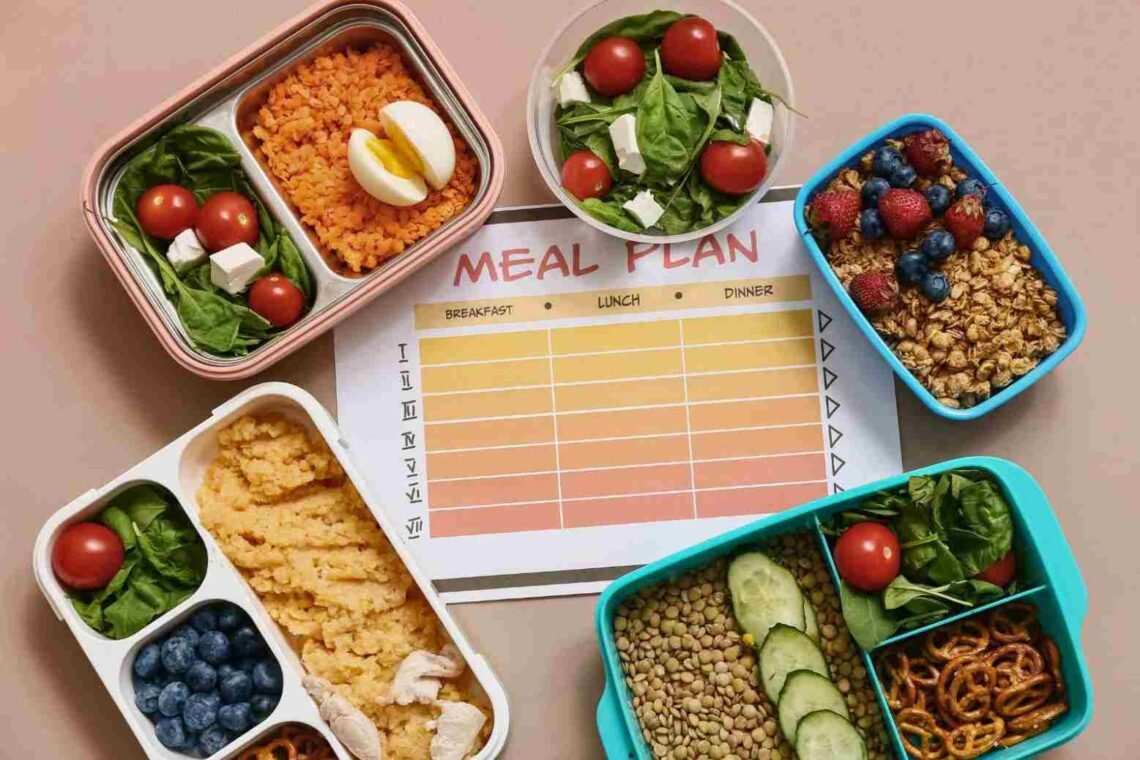
Food plays a huge role in having an energetic and healthy lifestyle. Many individuals believe that a balanced diet requires strict Dietary Eating Rules, costly products or renunciation of such foods they like the most. In truth a healthy diet is one in which the body receives all the nutrients it requires to function properly. Right diet helps in maintaining fitness and helps you maintain good energy levels which is important for achieving the pious performance. It also helps you avoid health problems related to lifestyle over time.
What A Balanced Diet Actually Means
Nutrition A good diet supplies the human body with essential nutrients, which help maintain health and prevent disease. Each of them has a distinct function with regard to maintaining the body fit and lively. Balance does not look like eating everything in large volumes. It means eating a variety of foods and not over eating. Balanced meals help give the body a slow, steady stream of energy; not sudden highs and crashes.
Importance Of Carbohydrates For Daily Energy
Carbohydrates are the primary source of energy for the body. They’re responsible for daily functions, physical activity and our brains. Lots of folks steer clear of carbohydrates, imagining they promote weight gain, but that’s almost always too many or the wrong kind. Healthy carbs are found in whole grains, fruits, vegetables and legumes. These foods will give you energy and are packed with fibre to aid digestion and help keep you feeling fuller for longer.
Role Of Proteins In Strengthen And Recovery
Proteins are essential for growing muscles, repairing tissues and helping the immune system. They are particularly crucial if you like being active and physically fit. There should be some amount of protein in each and every meal. It promotes appetite control and helps muscle recovery post exertion.
Common protein sources include:
- Lentils, beans, and pulses
- Eggs, milk, and dairy products
- Nuts, seeds, and soy products
The body is believed to do better with adequate protein to support strength and energy levels.
Is Fat Bad For You? What You Need To Know About Good And Bad Fats
Fats are often maligned, but good fats like omega 3 are a critical building block of health. They are also crucial to brain function, hormone balance and vitamin absorption. Unsaturated Fats Are Injecions of unsaturated fats are naturally found in several types of plant food, including nuts, seeds, and plant oils. These fats can be enjoyed in moderation, in spite of all of the hype.
Myriad Vitamins And Minerals For General Health
Vitamins and minerals are essential to control body mechanisms, improve the immune function, etc. These nutrients are found in abundance in fruits and vegetables. Eating a diverse collection of brightly colored fruits and vegetables promotes diverse vitamins, minerals. Leafy greens, root veggies and seasonal fruit are also great. These vitamins help to maintain healthy skin, and promote digestive health, strong bones and mental clarity.
The Role Of Hydration In Balanced Diet
It’s enough to make you want to drink more water. It helps with digestion, circulation and regulation of temperature. Dehydration leads to tiredness, headaches and lack of concentration. We all know it is important to drink water throughout the day, and particularly for active people. Hot drinks and home remedies can further help with hydration.
Having Balanced And Simple Daily Meals
There’s nothing like a balanced diet if you choose your meals wisely. This isn’t about complex meal plans or strict calorie counting. All it involves is a variety of food groups in each meal.
A balanced meal usually includes:
- A source of carbohydrates
- A source of protein
- Some vegetables or fruits
Eating meals at consistent times regulates your appetite and energy levels.
Balanced Eating to Fuel an Active Lifestyle
An active life style demands the right fuel. Nutrition supports performance, strength and recovery. Skipping meals or poor eating habits will affect performance and lead to fatigue. Fueling with healthy foods before and after exercise keeps your energy levels up, even as it helps muscle recovery. A balance of nutrients enables the body to respond better to physical exertion.
Conclusion
A healthy and active lifestyle begins with a well-balanced diet plan. It doesn’t involve deprivation or any special foods. Feeding the body with carbohydrates (for energy), proteins (for strength), healthy fats (for balance) and vitamins and minerals (to promote well being), and enough water for hydration, keeps us energized as well as strong. Healthy eating isn’t an all or nothing thing; it’s about consistently making good choices no matter where you are in the world, who you’re dining with or what’s on your plate. When diet and lifestyle are in alignment, staying healthy is easy and lasting.
FAQs
Q1. Should I Follow A Specific Diet Plan In Order To Be Healthy?
No, eating a variety of food is more effective than following rigid diets.
Q2. Do Balanced Diet For Weight Loss Work?
Yes, it is a healthy weight plan for steady use.
Q3. How Often Should You Eat In A Day?
I prefer regular meals, but it’s what works with your own personal schedule.
Q4. Healthy Fat-Do We Need It In our Daily Diet?
Yes, they are good for the brain and hormones.
Q5. What Is The Simplest Way To Start Eating A Balanced Diet?
Number one, start to add more fruits and vegetables, protein into meals.